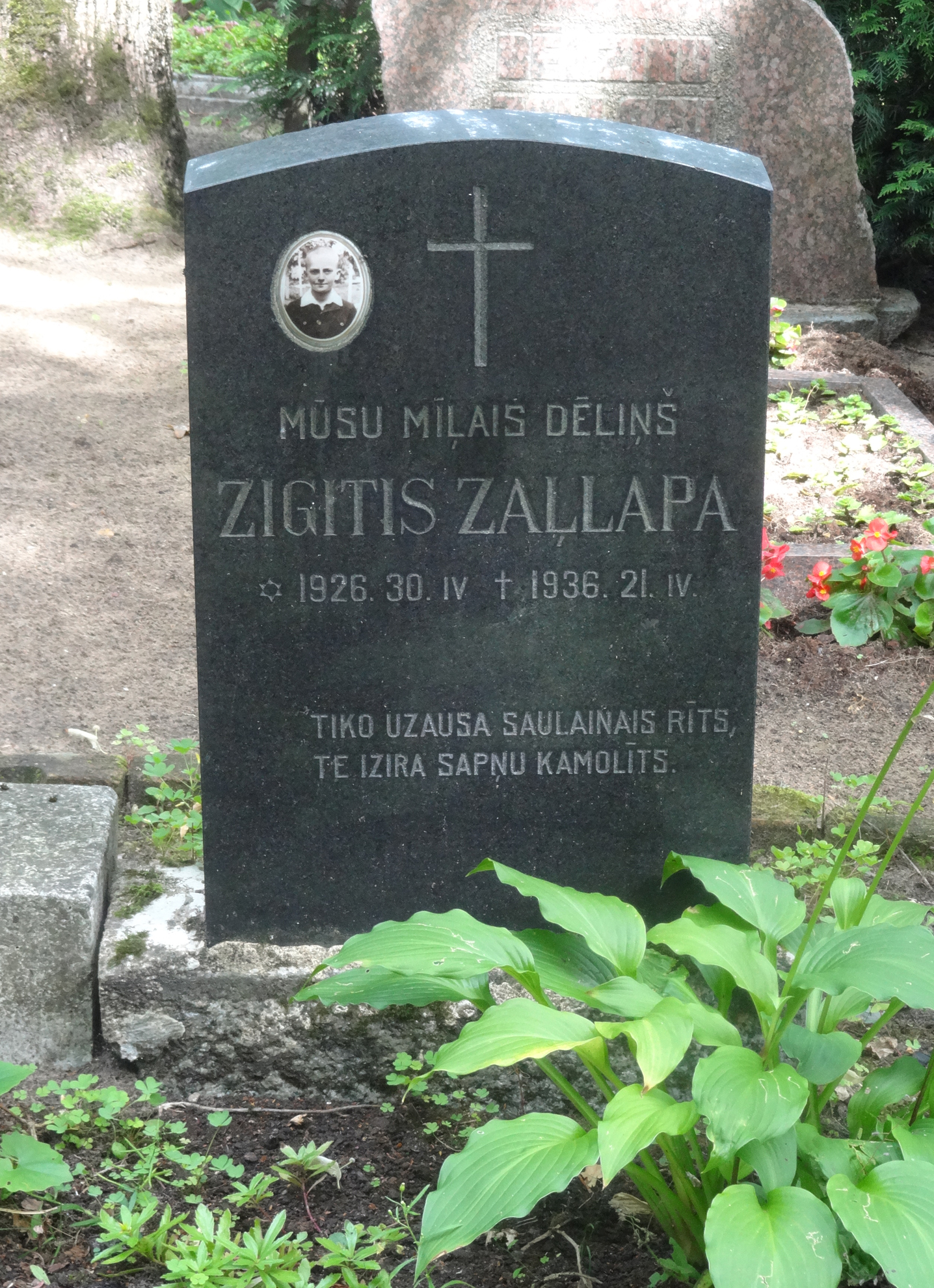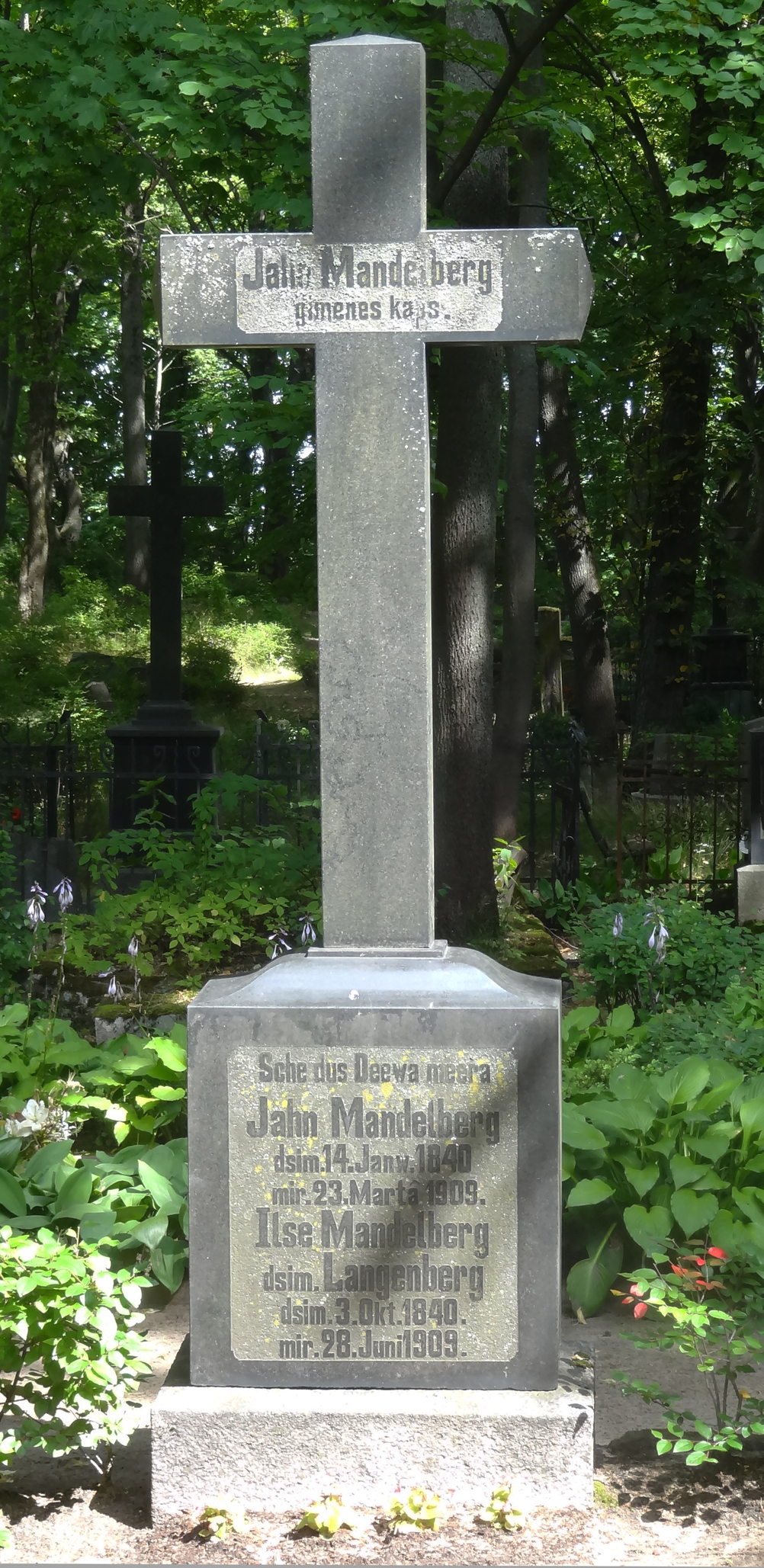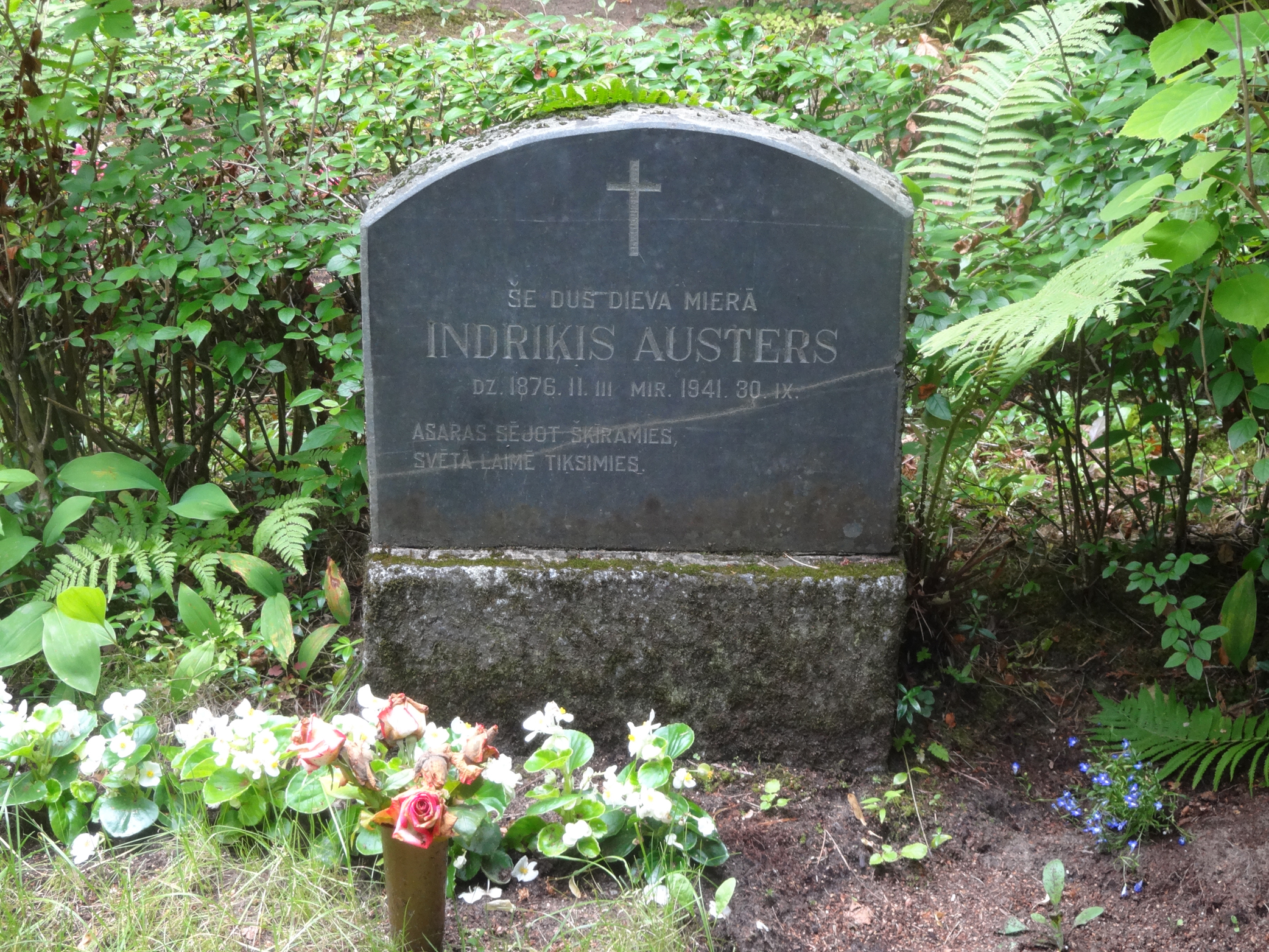
Guidelines for Commenting

1. Please do not post the same item on multiple posts. You only need to post once for it to be seen.

2. Please include a working email address - if your comment is related to your own personal family history, rather than Latvian genealogy in a more general sense, I prefer to respond by email to maintain your privacy.

3. I don't sell email addresses or send anything to them besides responses to your comments. I am the only person who has access to them.

Baltic Farmer – May 2, 1884

This is part of my series of interesting newspaper articles and snippets that I find in the old Latvian newspapers available through Periodika. Most of the articles I post are in some way related to migration, wars or other events that are of particular genealogical note.

Source: Baltijas Zemkopis (Baltic Farmer), May 2, 1884

From Cēsis. Today (April 22) two youths were deported from here to Siberia. They had threatened to shoot Meyendorff’s lady in Ranka if she did not pay 1000 rubles. They wanted to use this money to travel to Wisconsin in North America. The Vidzeme High Court sentenced them both to life in Siberia. A large group of people accompanied the new criminals for a long stretch through the town square. The deportees are: K. Platais, from Ranka, age 21, and P. Lasmanis, from Nītaure, age 18.

This is an interesting article, about two young men who were seeking to leave Latvia, and leave they did – only in the opposite direction from what they intended. I wonder what happened to them. It is also interesting that the article mentions a specific desire to go to Wisconsin – concentrated efforts to form a Latvian community there only started in 1897, a full thirteen years later, though a number of young men ended up there earlier to work in the lumber industry. This was hard work, so violent extortion to have the chance to go there seems a bit unusual. What had they been promised to make them so desperate to get the money? Did they have other motives, perhaps political ones, for the money? Maybe they simply mentioned the desire to emigrate as the reason because they feared a harsher punishment if the crime was politically motivated?

Tombstone Tuesday – Vilis Olavs, 1867-1917

In this series, I am providing pictures of tombstones from Latvian cemeteries, all with death dates prior to 1945. In this case, I do have more information on the individual, see this Wikipedia article. This grave also appears to have been desecrated during the Soviet period – see the torn spot in the middle, it is likely that there was a photograph of him or a Latvian patriotic symbol of some kind.

Photo taken by me, October 2012. Click to enlarge.

Top Inscription: “Neviens upuris savas dzimtenes dēļ latvietim nav par dārgu” (“No sacrifice for the homeland is too dear for a Latvian”)

Name: Vilis Olavs, born 1867, died 1917

Location: Meža kapi, Rīga (though he was originally buried in Vyborg where he had died, and was reburied in Rīga in 1921)

WW1 Diary – April 28, 1916

Twenty-fourth installment from the diary of my great-grandfather’s sister Alise, written during the First World War. When the diary starts, she is living just a few miles from the front lines of the Eastern Front, and is then forced to flee with her husband and two young daughters to her family’s house near Limbaži as the war moves even closer. Her third child, a son, was born in February 1916. Now, the family has relocated to a home near Valmiera. For more background, see here, and click on the tag “diary entries” to see all of the entries that I have posted.

April 28, 1916

We have arrived happily at our new homey home, near Valmiera, at the Anna estate. Everything, everything just feels like a story, like an El Dorado land, we are satisfied without end and full of energy for our new work. The day we were travelling was very nice. Both of th egirls were up early, because we needed to hurry to the train, which went from Ozoli to Valmiera. Little Olģerts’ first trip in the world! He is a good boy. A carriage with two horses awaited us at the station. We arrived at the Anna estate, where lunch was already prepared for us, just like in a story: “table, set yourself!” All of the rooms are nicely furnished, all we need is our clothes and laundry. All of the rooms (?) are very comfortable, living here is so nice, it is so easy to breathe. We don’t need to get anything, everything is here for us. All of the granaries are full, the manger full of cows, pigs, piglets. Chickens that lay so many eggs that we can live off them, also cupboards full of sugar, tea, coffee, and so on to all of the little things. And even nicer is that we live in the country from where we can see the whole town, the railroad, where we see trains moving, and on Sunday mornings we hear the church bells ringing. And my little dears have a big fruit orchard, strawberry patches, trees with bees, etc. Praise the Father, oh soul of mine!! And don’t forget, what good He has done you, Amen!!

Rīga Banns - Week of April 28, 1925

Part of my series of publishing the banns read in Rīga in the interwar period. See this post for more details.

April 27, 1925 (Latvijas Vēstnesis [Latvian Herald], April 28, 1925)

  • Tanner Jānis Kudvins (Tartu) and Olga Marija Sprogis (Iecava)
  • Clerk Ernsts Rukovskis (Gramzda) and Emma Freimanis (Dīkļi)
  • Wood-sorter Ansis Teodors Krigers (Rīga) and Amālija Gerbers (Ķemeri)
  • Merchant Rudolfs Feldhuns (Jaunjelgava) and Blūma Herzbergs (Tallinn)
  • Clerk Pēteris Lapsa (Mārciena) and Antonija Emīlija Sviķis (Valka)
  • Jāzeps Francis Gibners (Rīga) and Anita Alīde Kiršteins (Rīga)
  • Clerk Jānis Ludwigs (Rīga) and Emma Sloka (Rīga)
  • Railway worker Ernests Jākobsons (Rīga) and Jadwiga Sviluks (Lielborne)
  • Clerk Alfreds Ermanis (Valmiera) and Zelma Plūme (Jaunjelgava)
  • Locksmith Heinrichs Krastiņš (Rīga) and Alma Ēbels (Gulbene)
  • Worker Pēteris Sālītis (Aumeisteri) and Alīda Radlof (Rīga)
  • Concrete-layer Hugo Jākobsons (Kaunas) and Anna Felsen (Cēsis)
  • Glassmaker Georgs Eduards Hasenfuss (Kalsnava) and Anna Mašans (Līvāni)

April 28, 1925 (Latvijas Vēstnesis [Latvian Herald], April 29, 1925)

  • Worker Jēkabs Mārtiņš Ērģelis (Dalbe) and Lizete Kalniņš (Gulbene)
  • Worker Pēteris Večelis (Subate) and Helma Karolina Baumanis (Sigulda)
  • Vendor Albins Alfons Bucelis (Vilnius) and Anete Juds (Kalkune)
  • Locksmith Kārlis Johans Kursulis (Rīga) and Paulina Veronika Petruškevičs (Plieni)
  • Ichthyologist Augusts Krūze (Aumeisteri) and Hermīne Alvīne Šmitmanis (Jelgava)
  • Smith Jānis Ramans (Palsmane) and Jūle Marta Miķelsons (Valdegale)
  • Clerk Jānis Voldemārs Stubis (Saldus) and Selma Emīlija Apinis (Liepāja)
  • Clerk Matīss Vadzemnieks (Rīga) and Wilhelmine Petrovičs (Rīga)
  • Clerk Kārlis Sprogis (Ērgļi) and Olga Zariņš (Rīga)
  • Merchant Indriķis Tevelevs (Rīga) and Frīda Alkins nee Bičovskis (Krustpils)
  • Worker Ernsts Voldemārs Pētersons (Rīga) and Emma Siliņš (Rīga)
  • Merchant Alberts Tiltiņš (Krustpils) and Emma Auguste Sepp-Vīgurs (Trentelberg)
  • Soldier Mārtiņš Rēks (Lāši) and Matilda Adelheide Lūss (Cēsis)
  • Shoemaker Antons Latvenas (Rīga) and Anna Emīlija Briedis (Rīga)
  • Heinrichs Ruppenheits (Talsi) and Melanija Regina Wegner (Rīga)
  • Merchant Meyer Kagan (Daugavpils) and Liba Kretschmer (Jaunjelgava)
  • Merchant Salman Koblenz (Krustpils) and Herta Lapidus (Drisa)

April 29, 1925 (Latvijas Vēstnesis [Latvian Herald], April 30, 1925)

  • Chauffeur Wilhelm Walter Purgals (Trikāta) and Anna Sofija Stankevičs (Gulbene)
  • Industrialist Žanis Mārtiņš Krēsliņš (Dalbe) and Emīlija Jasinskis (Rīga)
  • Photographer Stefan Mikolojunas (Rīga) and Anna Šukis (Rīga)
  • Spinner Jānis Bukovskis (Kaunas) and Monika Marcinkevičs (Braslava)
  • Worker Hilarijs Sejkals (Krāslava) and Anna Stādiņš (Krāslava)
  • Pastry chef Ernests Jūlijs Millers (Aizpute) and Auguste Elvīra Ozoliņš (Rīga)
  • Surveyor Arturs Teodors Reinholds (Rīga) and Anna Emīlija Henišs (Rīga)
  • Tinsmith Dāvids Kronis (Dubulti) and Cecīlija Barons (Lithuania)
  • Bookkeeper Sylvester Max Staat (Leipzig) and Eisa Wilhelmine Tonig (Saldus)
  • Typesetter Kārlis Elksne (Zalve) and Frīda Marianna Apse (Rīga)
  • Declarant Arturs Aleksandrs Rings (Pļaviņas) and Irma Edite Verkmeisters (Rīga)
  • Agent Julius Seidlers (Rīga) and Marcela Kulešs (Lithuania)
  • Worker Jēkabs Ābelītis (Ērģeme) and Anna Emīlija Ozoliņš (Pūre)
  • Worker Kārlis Alberts Baumgarts (Olaine) and Helena Tkačiks (Rīga)
  • Jānis Alfons Priedīte (Rosbeķi) and Milda Lucija Liepiņš (Rīga)

April 30, 1925 (Latvijas Vēstnesis [Latvian Herald], May 2, 1925)

  • Lieutenant Jevgenijs Ābols (Kiev) and Vēra Ābols (Yaroslavl)
  • Merchant Jānis Eduards Vītiņš (Cēsis) and Anisa Timofejeva (Pskov)
  • Artist Teodors Johans Forschuh (Rīga) and Ella Alida Plucis (Rīga)
  • Hermans Gluševskis (Kharkiv) and Olga Levtzky (Oranienbaum)
  • Clerk Paulis Dičkačs (Rīga) and Emīlija Irena Blodziņš (Rīga)
  • Worker Pēteris Dičmanis (Rīga) and Susanna Krišmanis (Engure)
  • Tailor Jānis Saļlaps (Valmiera) and Wilhelmina Dičkačs (Rīga)
  • Jāzeps Pavlovičs (Rēzekne) and Bronislava Šelabis (Rīga)
  • Teodors Pētersons (Bauņi) and Aneta Vera Upenieks (Rīga)
  • Worker Rudolfs Wilhelms Krustiņš (Rīga) and Marta Vīķis (Umurga)
  • Student Jēkabs Krūsa (Lēdurga) and Marta Ābele (Mārsnēni)
  • Johans Gothards (Jelgava) and Anna Emīlija Balcerbuls-Bullis (Rīga)

May 2, 1925 (Latvijas Vēstnesis [Latvian Herald], May 4, 1925)

  • Worker Eduards Georgs Kristevičs (Rīga) and Emīlija Melanija Ozoliņš (Rīga)
  • Clerk Indriķis Levs (Druja) and Frida Šnejers (Viļaki)
  • Merchant Felikss Eduards Arends (Rīga) and Marija Doroteja Tebels (Rīga)
  • Tailor Žanis Rudermanis (Someļa) and Matilda Litmanis (Rīga)
  • Clerk Ernsts Rukovskis (Gramzda) and Emma Freimanis nee Brādiņš (Dikļi)
  • Baker Arturs Kukains (Rūjiena) and Elza Malvīna Steppis (Biķeri)
  • Saddler Jēkabs Voldemārs Bērziņš (Rīga) and Veronika Stupurs nee Poiko (Biržauska)
  • Worker Johans Heinrichs Lācis (Jelgava) and Malvina Kruskops nee Šaulis (Liepāja)
  • Potter Fridrichs Daniels Balodis (Rīga) and Luisa Julianna Smilga (Dalbe)
  • Baker Kārlis Vilkas (Rīga) and Valerianna Sarkanbiks (Rīga)
  • Worker Jānis Bērziņš (Rembate) and Marta Marija Roze (Valmiera)
  • Clerk Ansis Eduards Lagzdiņš (Rīga) and Alma Ernestine Jirgensons (Rīga)
  • Clerk Leopolds Dolgicers (Vitebsk) and Anna Kagans (Rīga)
  • Worker Viktors Korenevskis (Pridruiska) and Marianna Blaševičs (Pridruiska)
  • Typesetter Adolfs Voldemārs Francis (Jelgava) and Anete Lucija Āpsts-Ape (Jelgava)
  • Merchant Jānis Baltauss (Vecpiebalga) and Emma Ernestine Dukats (Vecpiebalga)
  • Merchant Eduards Wilhelms Helds (Dundaga) and Milda Augusts Selcs (Rīga)
  • Farmer Jēkabs Gruzdups (Zvārde) and Agnese Daubers (Kaunas)
  • Clerk Aleksandrs Leonhards Jumiķis (Jaungulbene) and Marija Dubans (Dikļi)
  • Clerk Arturs Samuels Upītis (Gaujiena) and Emma Skrastiņš (Gaujiena)
  • Hermans Pins (Sloka) and Anna Antonija Niedra (Valmiera)
  • Building engineer Ernsts Kristjans Solomovs (Germany) and Herta Lucija Celmiņš (Smiltene)

Did this post help you find your ancestors? Do let me know!

WW1 Diary – April 26, 1916

Twenty-third installment from the diary of my great-grandfather’s sister Alise, written during the First World War. When the diary starts, she is living just a few miles from the front lines of the Eastern Front, and is then forced to flee with her husband and two young daughters to her family’s house near Limbaži as the war moves even closer. It was here that her third child, a son, was born in February 1916. For more background, see here, and click on the tag “diary entries” to see all of the entries that I have posted.

April 26, 1916

I am looking for all of our things – putting them together and preparing for the road again, the way the birds went. The heart feels strange, when the moment to part is near, since Father’s house is so dear. Parting, I just want to kiss everything.

WW1 Diary – April 25, 1916

Twenty-second installment from the diary of my great-grandfather’s sister Alise, written during the First World War. When the diary starts, she is living just a few miles from the front lines of the Eastern Front, and is then forced to flee with her husband and two young daughters to her family’s house near Limbaži as the war moves even closer. It was here that her third child, a son, was born in February 1916. For more background, see here, and click on the tag “diary entries” to see all of the entries that I have posted.

April 25, 1916

After the rain – the sun shines, after sorrow comes happiness! Never wallow in the dark days, but be patient, quietly, be patient. Everything will come at its time, as God has decreed, for he does good, what needs to be done, and now for us, after a long wait Papa has finally found us a good place – even if finding it has been full of all sorts of obstacles.

Tombstone Tuesday – Jūlijs Rimša, 1894-1926

In this series, I am providing pictures of tombstones from Latvian cemeteries, all with death dates prior to 1945. In this case, I do have more information on the individual, see below.

Photo taken by me, October 2012. Click to enlarge.

Top Inscription: Kara Lidotājs Virsl. (Airforce Lieutenant)

Name: Jūlijs Rimša, born October 25, 1894, died May 17, 1926

Location: Meža kapi, Rīga

It looks like this is another tombstone that was desecrated during the Soviet time and is missing a photograph. For a short biography and photograph, you can go to this website about Latvian aviation (in English).

Rīga Banns, Week of April 21, 1925

Part of my series of publishing the banns read in Rīga in the interwar period. See this post for more details.

April 20, 1925 (Latvijas Vēstnesis [Latvian Herald], April 21, 1925)

  • Clerk Hugo Volens (Sigulda) and Irma Wilhelmine Ozols (Rīga)
  • Worker Aniufis Pačomovs (Rīga) and Marija Mošaeva (Rozentova)
  • Clerk Wilhelms Aleksandrs Graudiņš (Valmiera) and Karolina Elisabete Klinklavs (Vecpiebalga)
  • Student Mihails Bičovskis (Daugavpils) and Jevgenija Shapiro (Daugavpils)
  • Butcher Wilhelms Kārlis Kukels (Liepāja) and Karolina Julianna Lameks (Rīga)
  • Student Roberts Bedrītis (Rīga) and Jūlija Lucija Dzirneklis (Rīga)
  • Merchant Gerhards Davidovs (Daugavpils) and Anna Blumentāls (Rīga)
  • Farmer Vladislavs (Graveri) and Elisabete Soloveškins (Rīga)
  • Locksmith Pāvels Sanlevičs (Daugavpils) and Natālija Pavlova (Rīga)
  • Worker Fedots Smislovs (Višgoroda) and Feodosija Kostigova (Višgoroda)
  • Typesetter Matīss Roberts Priedīte (Lielezere) and Marija Spārniņš (Krape)
  • Intendant Oskars Jankovskis (Lielzalve) and Emma Marija Poriete (Rīga)
  • Farmer Ivans Konstantins Lanfrevics (Talsi) and Marija Teresija Panders (Jaunaduliena)
  • Carpenter Jēkabs Mičuns (Šarlote) and Teresa Augusts (Lithuania)
  • Merchant Alfreds Eduards Beiermanis (Rīga) and Frida Irena Neilands (Jelgava)
  • Worker Jēkabs Bergholcs (Kuldīga) and Edija Bekers (Vietalva)

April 21, 1925 (Latvijas Vēstnesis [Latvian Herald], April 22, 1925)

  • Clerk Fricis Dvelis (Bēne) and Anna Doroteja Riekstiņš (Dole)
  • Doctor Kārlis Mazurs (Lazdone) and Doctor Alise Veisbergs (Rīga)
  • Bookkeeper Mihails Roberts Gutbergs (Rīga) and Emīlija Veronika Toše (Rīga)
  • Locksmith Pēteris Mednis (Milgrāvji) and Benita Šarlote Jansons (Rīga)
  • Clerk Roberts Vīķis (Koknese) and Austra Leontina Lukins (Rīga)
  • Confectioner Voldemārs Lidke (Lodze) and Lidija Šulcs (Rīga)
  • Merchant Paulis Gustavs Krešešinskis (Eberfelde) and Margareta Marta Berglind (Rūjiena)
  • Merchant Kurts Paulis von Heine (Kristburg) and Elza Arens nee Kwante (Germany)
  • Painter Aleksandrs Sipans (Alūksne) and Katrina Lina Liepiņš (Embūte)
  • Merchant Aleksandrs Karavejevs (Yaroslavl) and Anastasija Sinics (Rīga)
  • Merchant Dāvis Ripss (Balvi) and Herta Pāliņš (Rīga)

April 22, 1925 (Latvijas Vēstnesis [Latvian Herald], April 23, 1925)

  • Merchant Kārlis Litke (Rīga) and Aleksandra Elisabete Stefens (Liepkalne)
  • Locksmith Pēteris Siliņš (Sauka) and Anna Marija Stūrmanis (Nurmiži)
  • Baker Jānis Menge (Snēpele) and Marta Leontine Strēlnieks (Lejasciems)
  • Mason Fadejs Vasiļjevs (Kalkune) and Tekla Onsols (Ušvalde)
  • Worker Konstantins Soroko (Rīga) and Emma Anna Kuģis (Rīga)
  • Butcher Miķelis Saulīte (Suntaži) and Emilija Ošiņa (Laudona)
  • Pēteris Kauliņš (Umurga) and Līze Skrīvelis (Umurga)
  • Clerk Kārlis Roberts Vilkers (Vircava) and Hermīne Adele Veskis (Rīga)
  • Aleksandrs Muskats (Rīga) and Felsanda Lucija Rozenfelds (Rīga)
  • Worker Kārlis Seiserts (Rīga) and Malvīna Rozālija Rudzītis (Ropaži)
  • Worker Kārlis Voronovs (Nišegorod) and Marija Sogolevs (Pasiene)
  • Declarant Ernsts Fišers (Meņģele) and Keta Alma Grīnbergs (Rīga)

April 24, 1925 (Latvijas Vēstnesis [Latvian Herald], April 25, 1925)

  • Gardener Jānis Alksnis (Kandava) and Anna Natālija Alksne
  • Farmer Pēteris Kalniņš (Bērzaune or Bērzone) and Emma Antonija Baumanis (Rīga)
  • Carpenter Pēteris Baumanis (Straupe) and Paulina Trale (Aumeisteri)
  • Merchant Kārlis Rudolfs Jēkabsons (Rīga) and Lizete Lucija Spura (Mežotne)
  • Clerk Roberts Zvērs (Meirāni) and Ženija Lācis (Dzelzava)
  • Clerk Erichs Nikolājs Rollers (Rīga) and Irina Lebedeva (Rīga)
  • Worker Eduards Emils Imbovigs (Rīga) and Berta Selma Roms (Limbaži)
  • Aleksandrs Keka (Rīga) and Anna Feldmanis (Rīga)

Did this post help you find your ancestors? Do let me know!

WW1 Diary – April 20, 1916

Twenty-first installment from the diary of my great-grandfather’s sister Alise, written during the First World War. When the diary starts, she is living just a few miles from the front lines of the Eastern Front, and is then forced to flee with her husband and two young daughters to her family’s house near Limbaži as the war moves even closer. It was here that her third child, a son, was born in February 1916. For more background, see here, and click on the tag “diary entries” to see all of the entries that I have posted.

April 20, 1916

Nothing and again nothing. For two weeks Papa looked for places in Tartu and Petrograd [NB: Saint Petersburg] – without any results. Money is just melting like snow in the spring sun. How long will it be like this? The price of food is sky high, and other things as well, especially boots, women’s shoes from simple leather cost 15 rubles, boots for Trūde 12 rubles. Thankfully, Olģerts does not need leather boots yet.

Right now hundreds of Cossacks are riding past our house, dust swirling in the air. Yesterday, airplanes flew past our house, very low, it is said that they were German scouts. Everyone is preparing for terrible battles along the Daugava. What will hearts say in the chests of the weary? What is the sight through the homeland’s eyes? Will there be green groves, or just stumps? Will there only be chimneys left of apartment buildings? Years will pass… tears will dry… groves will grow…

Book Review: The Case for Latvia

I don’t review books on here often – okay, this is the first review – but I think it might be something I start. This book in particular I think is very valuable for understanding the tricky nuances of Latvian history.

The book is called The Case for Latvia: Disinformation Campaigns Against a Small Nation by Jukka Rislakki. Rislakki is a Finnish journalist, and therefore removed from the major debates that swirl around in popular culture regarding Latvian history, politics and culture. (Sidenote: While this book is about Latvia, much of the information presented therein applies equally to Estonia, and often also to Lithuania.)

He goes through Latvian history (with a firm focus on the 20th century) and separates fact from fiction by answering 14 sets of questions, starting with “Are minorities, especially the Russians, discriminated against in Latvia? Is it very difficult for them to become citizens? Do they have political rights?” to “Have the new leaders of Latvia privatized state property for their own use and are they guilty of massive corruption while the majority of the people live in poverty?”.

I knew before reading this book that Latvia was the victim of a number of disinformation campaigns, be they intentional propaganda put out by governments (mainly Russian) or inaccurate portrayals in movies or television. What I didn’t know was just how many of these campaigns were out there, or how vicious and concentrated they really were and are. I came to realize that much of the world has been misinformed about Latvia and Latvians for quite a long time.

Now, this is not to say that Rislakki doesn’t point out unpleasantries or failings – he certainly does. Latvia is not perfect, and there is a lot of work to be done, particularly with regards to living standards and political corruption. But he does point out that a lot of what is spread around as historical “fact” about Latvia is really nothing of the sort. He also says that a lot of this disinformation has also been internalized by Latvians themselves, so that we do not really know our own history – and this is the really dangerous part. For it is important to know history.

The most poignant quotes from this book are with regards to the importance of knowing history, and knowing the real history. He writes: “I find it sad that a small country is often robbed of its independence and in addition, of the right to its own history… more than most nations, Latvia and Latvians have seen their history written by others.”

Now, with that in mind, it’s ironic that I recommend this book, written by an “other”, as a good guide to separating fact from fiction regarding Latvian history, but in this case, I think it is important to do to be able to start to change hearts and minds about Latvia and Latvians, because with all the hostility out there, people are more likely to believe an outside source. I highly recommend this book. Read it, give it to a friend, and let the truth spread. Everyone should read it.